Getting into DJing can feel expensive at first. There are controllers, mixers, headphones, speakers, laptops, software and a long list of accessories that somehow seem essential once you start watching DJ setup videos.
The good news is that beginners do not need to buy everything at once. The right DJ Equipment can give you enough control to learn the basics, practice regularly and understand what you actually need before spending more money.
Start With a DJ Controller
For most beginners, a DJ controller is the easiest place to start.
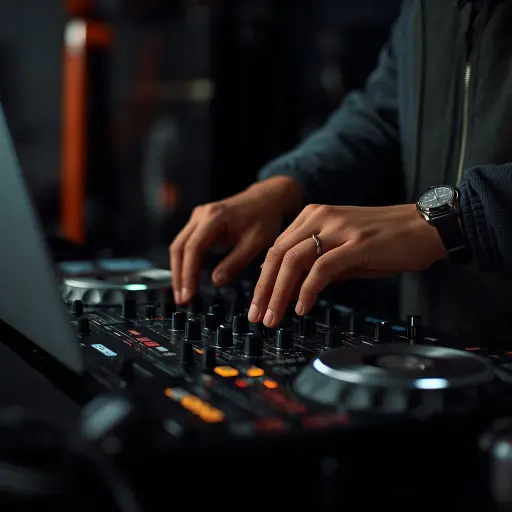
A controller combines controls for decks, mixing, effects and other functions into one device. Instead of buying separate decks and a mixer, you get most of what you need in one unit.
Popular beginner options include the Pioneer DJ DDJ-FLX4, Numark Mixtrack Platinum FX and Hercules DJControl Inpulse 500.
The DDJ-FLX4, for example, is designed as a two-channel controller and works with rekordbox and Serato DJ Lite. Its compact size also makes it practical for home practice.
Prices vary depending on where you buy from, but beginner controllers commonly sit in the roughly $250 to $400 range. In Nigeria, imported DJ equipment can cost considerably more after shipping, exchange rates and seller margins.
So, compare prices before paying.
A Good Pair of Headphones Matters
The second piece of DJ Equipment worth prioritising is headphones.
You need headphones to preview tracks, hear transitions and prepare the next song while another track is playing through the speakers.
You do not necessarily need a ₦300,000 studio headphone to begin learning. A reliable closed-back pair with decent isolation is more important.
Look for headphones that are comfortable, durable and loud enough for monitoring without forcing you to turn the volume unnecessarily high.
And don’t buy purely because a famous DJ uses them. Your ears and comfort matter more.
Do You Need Speakers?
Not immediately.
If you’re practising at home, your headphones can handle most of the early learning. Once you start performing for friends, events or small gatherings, speakers become much more important.
For a beginner setup, powered speakers are usually simpler because the amplifier is built into the speaker.
You can find entry-level options from brands such as JBL, Alto Professional, Yamaha and Mackie, although prices vary widely by model and location.
The important thing is to match the speakers to the space. A small bedroom does not need a massive PA system.
Don’t Forget the Laptop
Your laptop is often the centre of the modern DJ setup.
DJ software such as rekordbox, Serato DJ and VirtualDJ can help you organise music, prepare playlists and control your mixes.
Before buying a new laptop, check the software’s current system requirements. If your existing computer runs the software smoothly, there may be no reason to spend extra money on another machine.
That money could go toward better headphones or a controller instead.
What About a Mixer?
A standalone mixer is useful, but most beginners using a controller do not need one.
Controllers already include mixing controls, so purchasing a separate mixer immediately can create unnecessary expense and complexity.
A mixer becomes more relevant when you’re working with separate decks, turntables or more advanced performance setups.
Build Your Setup Gradually
The smartest way to approach DJ Equipment is to build around your actual needs.
A simple beginner setup could be:
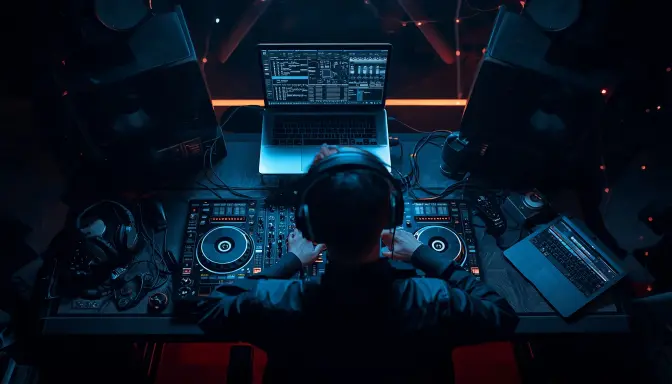
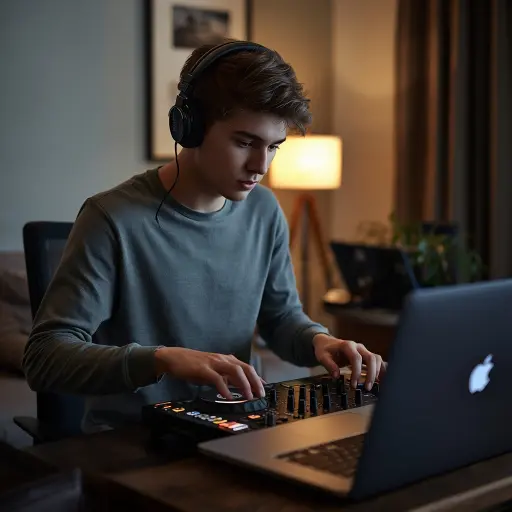
DJ controller + headphones + laptop + DJ software
That’s enough to start learning beatmatching, cueing, EQ, transitions and basic effects.
Once your skills improve, you can add speakers, a better controller, a microphone or other equipment based on the type of DJing you want to do.
The expensive setup can wait.
What matters first is learning how to use what you already have. A beginner with a basic controller who practices consistently can develop much faster than someone with an impressive setup that rarely gets switched on.
The goal isn’t to own the most DJ equipment. It’s to become a better DJ.